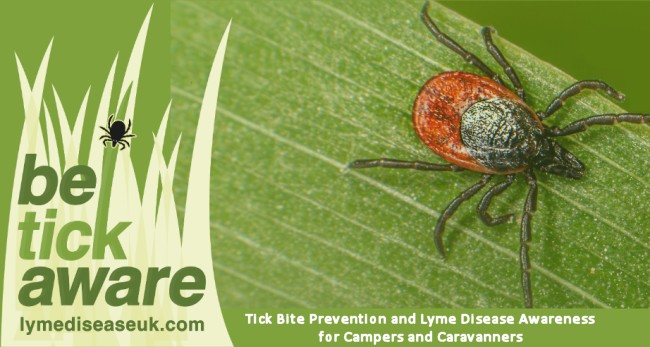
For many of us, camping and caravanning is about switching off and enjoying the British countryside - woodland walks, coastal paths, wild meadows and quiet rural campsites. But these natural spaces are also home to ticks, tiny spider like parasites that feed on the blood of mammals, birds, and humans. Some ticks can carry bacteria that cause Lyme disease, the most common tick-borne infection in the UK.
The good news is that a few simple precautions can significantly reduce the risk of tick bites while allowing you to enjoy the outdoors safely.
Why Campers Should Be Tick Aware
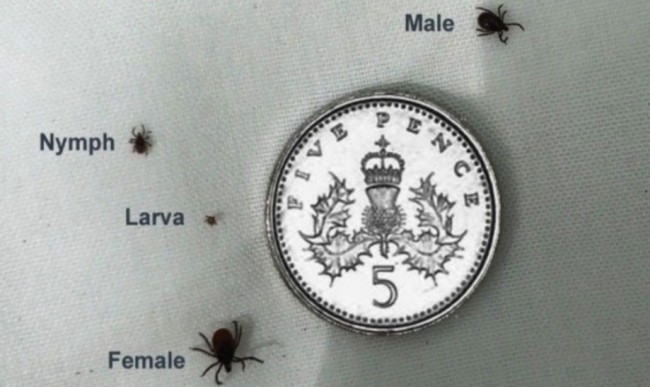
Ticks are commonly found in grassy areas, woodland, heathland, and moorland - exactly where campers and caravanners love to explore. They don’t jump or fly; they wait on vegetation and attach when a person or animal brushes past. Ticks are very small, often no bigger than a poppy seed, and can go unnoticed for hours.
While most ticks are harmless, 4–6% in the UK carry the bacteria that cause Lyme disease, so being bitten does not automatically lead to infection. In 2024, there were 1,581 laboratory-confirmed cases in England, though the true number is likely higher because not all cases are diagnosed or reported. Awareness is important because early recognition and treatment provide the best outcomes.
When Campers Are Most at Risk
Ticks are most active from late spring through summer, coinciding with peak camping and caravanning season. They are typically found in long grass, bracken, woodland edges, and heathland, waiting for passing hosts. Activities that increase exposure include:
Walking through long grass or bracken along trails
Sitting or lying directly on grass, especially in woodland or rough ground
Letting dogs explore dense vegetation
Children playing in grassy areas around campsites
Because ticks are tiny, they can easily go unnoticed and may hitch a ride on clothing, footwear, or pets, bringing them into tents, awnings, campervans, or caravans.
Simple Tick Bite Prevention for the Campsite
Preventing tick bites doesn’t mean avoiding the outdoors. A few practical steps make a big difference:
Dress for the terrain - Wear long trousers and sleeves; light-coloured clothing makes ticks easier to spot.
Use insect repellent - Select an insect repellent effective against ticks.
Stick to clear paths - Staying in the centre of maintained trails reduces contact with vegetation.
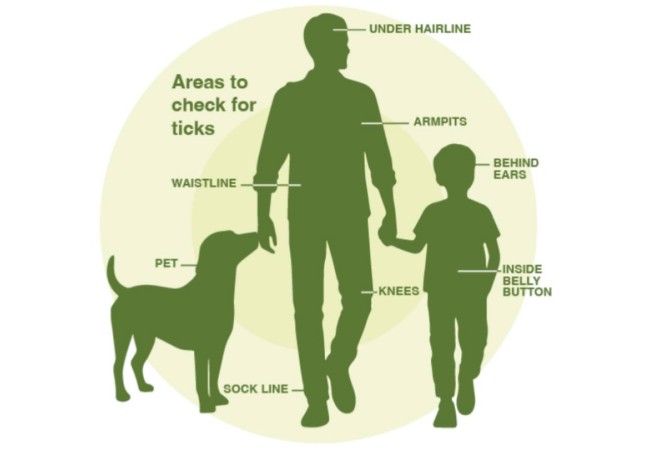
Do a tick check - After outdoor activities, check your skin, clothing, and hair. Focus on warm areas: behind knees, around the waist, under arms, and the hairline.
Check pets and children - Dogs and children can easily bring ticks back into your camping area.
A quick tick check can become as routine as removing muddy boots at the end of the day.
What To Do If You Find a Tick
If a tick is attached, remove it promptly using a tick removal tool or fine-tipped tweezers. Avoid using oils, matches, or fingers, which can increase infection risk.
Remove the tick carefully - Follow the instructions that come with your tick removal tool. If using fine-tipped tweezers, grip the tick as close to the skin as possible and pull slowly and steadily upwards, avoiding twisting or squeezing the body.
Clean the bite site - Disinfect with antiseptic or wound wash, and wash your hands thoroughly.
Check for other ticks - Perform a full-body check, including hidden areas such as the groin, under the waistband, behind knees, and the hairline. Also check pets and clothing.
Monitor the bite site and symptoms - Draw around the bite with a pen or take a photo for reference. Some swelling or redness in the first couple of days is normal and may be a mild histamine reaction.
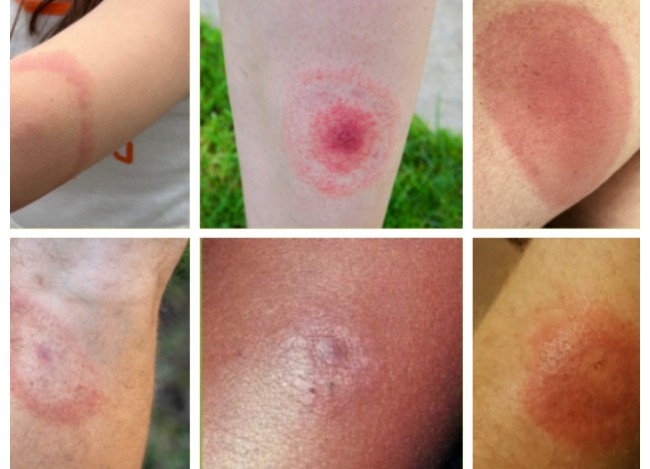
Watch for rashes and other symptoms - Lyme disease can cause a spreading Erythema Migrans (EM) rash, sometimes resembling a bull’s-eye, but it may also appear solid or bruise-like. Rashes can appear anywhere from 3 days to 3 months after a bite. Other early symptoms may include fatigue, fever, headaches, flu-like illness, or changes in mood or behaviour, especially in children.
Seek medical advice promptly if any of these symptoms appear. Early treatment ensures the best outcomes and reduces the risk of complications.
Enjoy the Outdoors With Confidence
Ticks are a natural part of the countryside but don’t need to stop anyone from camping or caravanning. Protective clothing, insect repellent, and a quick tick check at the end of the day reduce the risk significantly.
With a little awareness, you can focus on what really matters: relaxing outdoors, exploring nature, and making the most of the UK’s beautiful camping destinations.
About the Author
Lyme Disease UK is a UK registered charity providing patient support and raising awareness of Lyme disease.
Our mission is to prevent cases of Lyme disease by highlighting the importance of tick bite prevention and what to do if you are bitten.
A day of all things motorhome and campervan. The show is held both in the main indoor arena and across the grounds. Catering, hot drinks and food options are available. Easy access to the site and free parking included. Win one of five pairs of day tickets



 Comments on this article from our visitors