Just an odd question because i'm a nosy so and so - If a car has been given a tow ball limit of say, 100kg for example, is there an official limit that it has been tested to over and above this?
Just thinking if extraordinary forces are applied such as steep inclines, bumps etc
And what determines a limit for a car, or is it a number of factors such as suspension, chassis, hitches available for the model etc?
------------- 2019: Hurn Lane CAMC, Cirencester Park CAMC & Lytton Lawn
There is unlikely to be an `official` limit to allow for bumps etc, but a static limit will have been calculated bearing in mind the maximum loading likely to be imposed upon the tow hitch in the most extreme circumstances.
Suspension, chassis, mounting points, overhang, axle loadings etc are all contributory factors in determining the limit. In all probability the actual tow bar may have a much higher theoretical loading limit than the car permits - can`t recall a towbar (not ball) which has been properly fitted `failing`.
The figures they apply are the official figures and should never be deviated by pushing the limits further than what have been safely tested. If you have ever had any experience of research and development then you would understand more of what's involved because they undertake a tensile test involving the materials, the mountings and just about anything involved with the safety requirements of the towball. The figures are there for a safety reason so if you go beyond the limits applied then insurance companies will definitely consider the policy void.
Quote: Originally posted by tango55 on 07/2/2018
The figures they apply are the official figures and should never be deviated by pushing the limits further than what have been safely tested. If you have ever had any experience of research and development then you would understand more of what's involved because they undertake a tensile test involving the materials, the mountings and just about anything involved with the safety requirements of the towball. The figures are there for a safety reason so if you go beyond the limits applied then insurance companies will definitely consider the policy void.
I would never advocate anyone going above their limit, and think there needs to be more education seeing some of the outfits on the road at times. Just curious as to how they got there and the reasons for it.
------------- 2019: Hurn Lane CAMC, Cirencester Park CAMC & Lytton Lawn
The vehicle manufacturers got there by doing extensive research tests to see what the limit is before a certain component distorts or snaps on the vehicle which incorporates the mountings, the fixings (size of nuts and bolts) and the stress factor on the towbar itself (not the towball) and the reason is for safety and nothing more. When the tests have been conducted they apply a figure to each and every vehicle so that any independent towbar manufacturer knows the specifications required. This has to be adhered to otherwise the manufacturers would be responsible for any injuries or deaths due to a failed component so having a towball limit figure applied is absolutely paramount.
As an example, when they make a forged lifting hook for a crane, they have to test the SWL (safe working load) of the hook. Increased weights will be added and lifted before the hook distorts so they know then what the correct SWL should be applied to that specific hook. The hook will not snap unter any test because it is heated to a red heat then hammer forged in a die press in exactly the same way that a towball is so the grain structure is constant and compressed into a specific shape. However, the hook will be tested and given the SWL figure at the research and development stage but the chain that the hook is suspended by also has identical links that have to be tested as well in exactly the same way. They then have to calculate what strength of chain is required to support say 20 tonnes as an example so both the chain and hook are each respectively provided with an official SWL figure and towbars are no different.
You are looking at two different factors.
The strength of the towball which is many many times the max value stated on it but the value is a calculation based on the known dynamic loads it will face when towing. The average towball is forged steel and would deform or shear somewhere in the 10s of tonnes, not the 150kg on the label.
The main factor is the towball weight stated by the vehicle manufacturer. This is the weight applied to the vehicle that the chassis and suspension can handle and is more critial to the safety of a rig than the towball loading.
To answer your question, yes there is a very big margin of difference between the ultimate stresses that would cause a failure and the figures published for the vehicle or the towball. But, someone very clever worked out the weights that give a SAFE setup.
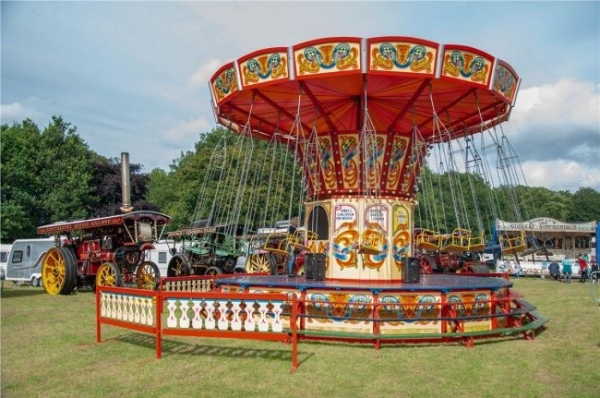
Amazing family weekend with old steam engines, classic car displays, market stalls, and full catering and bar. And camping on site - Save £25 by booking in advance.


 Topic: Towball Limit Question