Hi all, we picked up our Bailey pageant loire on Sunday & are really pleased with it. It feels so much more roomier than the crusader! They were really nice people we bought it from & it was spotlessly clean inside. We had a little play around with it as you do & found the heating to be not very powerful. It takes ages to warm up (tried on electric) & doesn't seem to get really cosy like other caravans we've had. It's the truma system. Has anyone else got a bailey & experiencing the same thing? We are away the weekend after next & I think we'll have to get the little plug in heater out for a while.
We had a Pageant Bordeaux - no problem. Have you thought how long it is since it the van was used. It can take quite a while to get the upholstery warmed through and have you put the fan on straight away - we always found it best to leave the fan off until the place is well warmed through. When going away in winter we usually warm our van up before leaving.
if you run it on both gas and electric at the same time until the electric element gets time to warm up you will not have a problem then turn gas off when system is warmed through.
I have a monarch and on arrival at site ensuring first that the heater is full of water and the air has gone from the pipes i put the water heating up full on gas and electric as it heats up quicker . I also do the same with the heating then once both are at heat i switch to electric only ..
The heater blowers will blow cold air until the van is heated up. Best to leave the blower off until the van feels warm. We have found that on gas the van heats up in no time at all.
We have a new sterling sport 586 and the heating is excellent :) , It recommends using duel fuel in winter, the gas will cut off automatically which is good .
------------- Loads of CC sites to many to mention.
Thanks Bob & Gilb. The previous owner rang hubby last night & explained everything. They suggested using it on both gas & electric too. Nine more sleeps until we try the caravan out for the 1st time. Can't wait!
As well is two words!
How does a sage know everything about everything? or does he? or does he just think he does?
Remember, if you buy something you bought it, not brought it.
An additional heater is a great idea, just a small one. It's what we do. The caravan heating doesn't heat our van up quickly enough when we're away in the winter so we use an additional heater until it's warm enough.
Some general info about your heater and why it seems not to work correctly
The Ultraheat’s wattage settings are there so you can make use of low amperage hookups, ideally 500W for 6A, 1000W for 10A and 2000W for 16A hookups, their not there to adjust the temperature of the van.
(You could of course use 6A for 1000W and 10A for 2000W, however you will be very limited on what else you can use at the same time, remembering to switch down or off while boiling a kettle can help get the best use out of low amperage hook up’s)
The Ultraheat is thermostatically controlled, therefore the wattage used will simply mean the fire is heating for shorter or longer periods. Where the problems arise then is if the temperature control is not working correctly, this is often due to the heat from the elements directly affecting the sensor itself,. The sensor is within the control switch, depending then where the switch is installed, this means the heat of the fire can bring the temperature sensor up to that set on the dial directly and the elements switch off, you and the van are still cold but the sensors toasty and takes forever to cool before switching the fire back on!!
A few common bad places to find the switch are in the side of the wardrobe above the fire or in a bed box where blown air pipes run, or perhaps even behind where the TV sits so the heat from the back of the TV or it’s transformer warms it up!
Due to this and particularly overnight, it's become something of an urban myth to set it at 500w or 1000w, this or that number on the dial and fan speed setting. In truth what's happening is the available heat is not capable of reaching the set temperature so never switches off, it's a useful work around but not how it should work.
The real solution is to fit a ‘remote’ temperature sensor and attach it to the gas fires sensor, if a remote is already fitted, it to will usually react better if moved to this location.
Setting the fan on manual speed means the fan runs at this speed regardless of the amount of heat being produced, I would suggest manual fan is only for use without heat for cooling in summer, if infact it has a use?!
Setting the fan to ‘A’utomatic allows the heat produced to control the fan speed ‘up’ to the speed set on the dial, you can then, keep this set maximum low and therefore quiet, overnight perhaps?
Automatic means the fan will run slowly initially and speed up as the air passing through gets warmer, doing it this way allows heat and fan to be switched on together and doing away with waiting xx minutes as often suggested.
I would suggest as a start and during the day, the wattage selected is as high as the hook up allows and then fan speed set to maximum on Automatic.
This provides the maximum heat if required and the fans speed will respond to change in temperature, ie, fast when heat cycle is on and slow when heat is off.
After that you can fine tune to suit your own needs
Other heating problems concern the control board, the elements are switched on and off by relays and the contacts burn out, particularly the two 1kw relays. If this happens you may think you have it set to 2kw but only one element is working, finally perhaps leaving you with just 500w working when both 2kw and1kw settings no longer work.
(Note, relays will still be heard to ‘click’ but unless you have heat, their not working)
The 12v for control also comes from this board and the transformer sometimes packs up, apart from no heat, you will lose the green light in the switch if this happens
Also if no heat is forth coming, there are two safety thermostats which switch the power to the elements off if things to hot. The lower one set at 125C will automatically reset after cooling, the higher 175C stat will hold itself off until power is removed, you must then switch off the mains supply to the heater and then it will reset automatically after a few minutes when power can be restored.
The lower 125C stat can fail when hot but well before it’s set temperature, this will mimic a relay fault and the heating switch off before the set temperature on the dial is reached. However checking the stat for continuity when cold will show a perfect reading, only way to be sure is to change it.
Note; if either thermostat is faulty it won't be able to reset, if faulty it can sometimes show itself by the vans main RCD tripping, but not always.
Finally, the mains isolation ‘fused switch spur’ can loose it’s connection through the built in fuse, the fuse is not the problem but the fuse holders connections that seem to be the problem
The main control switch itself seems generally reliable but the odd one does fail, the fan control switch when set to ‘A’ should make a positive connection and not switch on and off at the merest touch.
The numbers on the dial represent roughly 4degs and 9 is 32degs or thereabouts, this in theory makes 6 or 7 'normal' but it's what feels comfortable that matters not the number.
Other problems not caused by the heater itself are long runs of un-insulated blown air pipe running outside under the floor, insulating this will improve matters considerable.
The kitchen cabinet is often fitted over a wheel arch, much larger than required holes for clearance over the arch are used, the resultant heavy draught coming from behind the fridge can be eliminated by simply sealing the gap on the fridge side of the centre
cupboard.
Any draughts coming from the front of the fridge should also be eliminated.
Fix bed models very often have large floor vents under the bed, these are only useful in storgage and are easily block with a towel while the vans in use,
It’s also known for blown air outlets to blow toward the fire and this will upset the temperature control, adjusting these to blow away or even blocking off completely can actually improve overall heating.
Everything installed and working as it should, there is no good reason why the electric heating should not work very well and keep an even temperature to suit your needs.
However, it must be remembered the van needs to be warmed through thoroughly, (not just the air), before the heating is turned down. While the vans cold it will constantly drag heat from the air and this in turn needs constant topping up or the van will always feel ‘draughty’. It's most useful then while particularly cold to use gas as well for the first couple of hours, also, if the heating is off during the day to turn it back on at the first sign of a chill.
Only ever used our heater once and that was on gas... It worked great.
Mind you, our van usually warms up pretty quick without any heating with six of us in there.
We have Alde heating and the pipes run under the bed so we have to turn the heating down low at night otherwise we cook. But, then it is cold in the morning so I use a fan heater that we originally bought for when we were tenting. I put the heating to gas to boost it then switch over to electrics.
------------- Started with a motorbike and tent.......my gallery, my life.
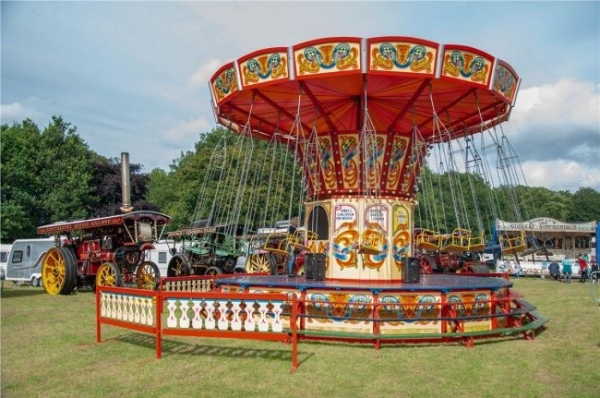
Amazing family weekend with old steam engines, classic car displays, market stalls, and full catering and bar. And camping on site - Save £25 by booking in advance.


 Topic: Does your heating take a while to kick in