anything plugged into the 3 way adapter, to feed into the awning would need a separate earth and overload tripout, as the caravan one would be bypassed.
i did see a caravan plugged into the mains as normal and the second caravan at the side was a family member,this was plugged into the first caravan at the side by a long cable.nothing to do with me but thought it is not safe. possibly the second caravan had not paid for an electric pitch.
------------- the only silly question is the one you do not ask.
" anything plugged into the 3 way adapter, to feed into the awning would need a separate earth and overload tripout, as the caravan one would be bypassed"
It would still be protected by the RCD&MCB at the supply post.
Saxo1
I have frequently asked that question. The campsite RCD's are better rated than most portable EHU's.They are legally required to be tested properly at least annualy.
When was the last time you had your RCD tested?
It isn't sufficient to operate the test button as that only proves that it trips not at what current or how long it takes,a special RCD tester is required.
It is a requirement that Caravans are fitted with a 30ma RCD the supply post has to be a 30ma RCD any electrical equipment used outside in the home should be protected by a 30ma RCD, but some EHU's are 80ma.
In the workplace all portable power tools must be protected by a 30ma trip but they are only protected at scource by the RCD they aren't required to have a RCD on the end of their extension lead as well.
I hope someone with more knowledge can enlighten me as to why it is required on an EHU as well as the supply post.
Saxo1
then why should any of us bother having tripout protection in the van or in our tents?
which some camsites insist on you showing them before you plug in?
stu
Because the EHU trip is for the maximum allowable amperage on the pitch, whereas your van trip is split down to two(usually), lower amperage trips to protect the individual appliances.
Club sites have 16 amp on their pitches. Many appliances could be damaged or cause a fire if they were not wired to trip at a significantly lower amperage. For example, your domestic electricity supply carries a 60 amp fuse rating, but you still have a consumer unit which breaks this down into several circuits at lower ratings. Same principle.
So back to the OP's question, if they are splitting the EHU they should use a tent EHU in the awning to provide the extra protectionand if not the they would be better off running from the caravan instead?
------------- Caz
If you can't see the light at the end of the tunnel, just keep going till you go round the bend.
The primary function of an MCB is to protect the circuit in the event of a fault,for an MCB to trip the appliance or the wiring to it must be faulty the MCB trips to minimise the risk of shock or fire it wont protect the equipment from damage,the equipment will only draw the amount of current required to function irrespective of the rating of the MCB.In the Caravan situation where you have fixed appliances it makes sense to have a lower rated trip than the scource to prevent a low current fault from overheating the circuits.
In a domestic situation the ring main circuit is protected by a 30 or 32amp trip and the individual appliances are protected from risk of fire by the size of the fuse in the plug top which is rated to match the flex.In the case of fixed appliances cooker,water heaters ,showers these are normally on seperate circuits.
In the situation described by the original poster it was suggested that it would be necessary to have a seperate EHU with MCB and RCD protection
The point I was making is that the protection provided by the EHU post is better than that provided by a camping EHU.The fact that the post supply is rated at 16 amps is not really relevant as any equipment plugged in to the EHU will have a fuse in the plug top rated to the size of cable supplying that equipment.Most of the EHU's I have seen have a 10 amp MCB the main benefit of this is that it would trip before the post MCB preventing disconnection of the post and other users,this however is no longer a problem as each individual pitch must have it's own MCB and RCD.As far as I can see the only advantage would be that you can reset your MCB without bothering the Warden.
It's a different case with the RCD as the Campsite supply RCD is more sensitive than most camping type RCD's and would trip anyway.
It would always be preferable to connect via the caravan's circuitry if only on the grounds of convenience,
also the adaptors described are not designed to be used in wet conditions.
Saxo1
The clubs won't have it. Why not fit an external power outlet to the van - you can go under the floor if you don't fancy fitting one to the wall. OR how about a long extension lead, fed through a vent hole in the floor, or through a window?
If it was allowed, you would need a tent stylee RCD set up to protect the post and all the other campers plugging in!!! Again, the clubs won't let you do it.
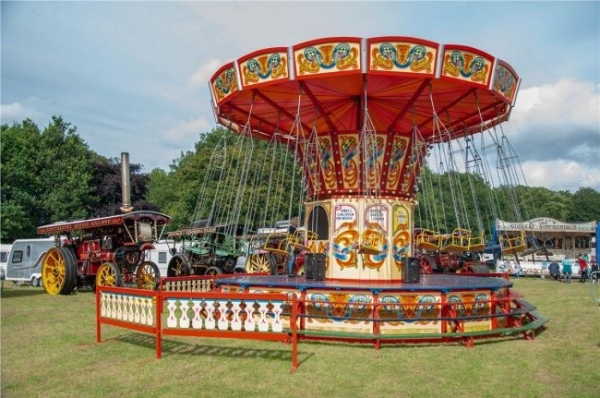
Amazing family weekend with old steam engines, classic car displays, market stalls, and full catering and bar. And camping on site - Save £25 by booking in advance.


 Topic: 2 way mains adaptor