No it won't charge the vehicle's battery. The 240 volt mains electric supply is designed for use in the living area the same as at home and the only way to charge the vehicle battery is to start the vehicle engine to which the vehicle's alternator will charge it as normal.
The 3 pin sockets (the same at home) are for all your electrical items and any 2 pin sockets will be 12 volt but you will need a fully charged leisure battery (not the vehicle battery) to operate anything by 12 volts.
If you have a leisure battery connected then when on electric hook up the onboard charger will keep the leisure battery charged up.
Hope this clarifies it a bit more.
Quote: Originally posted by LobeyDosser on 31/5/2015
You could charge the vehicle battery using EHU, if you connected a standard Battery Charger plugged into a mains socket in your unit.
Wouldn't the vehicle's battery terminals have to be disconnected though to do that?
I understand that this can do some electrical damage to the regulator and diodes inside the alternator if the positive and negative terminals are connected whilst on charge.
If engine battery is good it should stand for a fortnight of more on site & start engine ok. As pointed out cheapest way is to carry battery charger you may already have in your shed.
Day before you want to leave site, try starting engine & if battery flat then plug into socket in van & charge, you can disconnect a battery terminal in secs with a 10mm spanner. 2litre petrol, I'm guessing a few yrs old, yes?
However, if your engine battery is going flat in a few days for no reason you need to get it checked. Could be a discharge or maybe battery has had it.
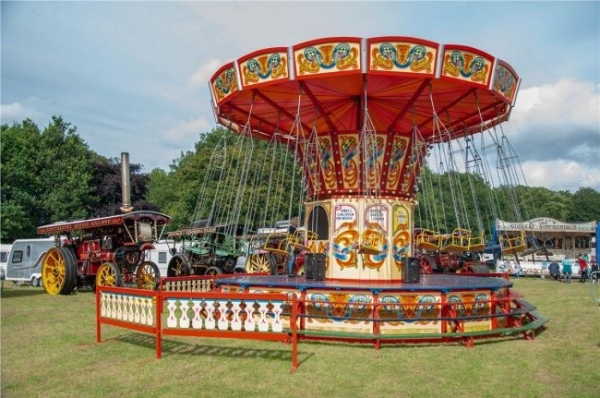
Amazing family weekend with old steam engines, classic car displays, market stalls, and full catering and bar. And camping on site - Save £25 by booking in advance.